
How to Prepare Your Roof for Malaysia's Monsoon Season
A practical checklist to monsoon-proof your roof — from gutter cleaning to tile inspection. Prevent leaks and storm damage before the rains start.
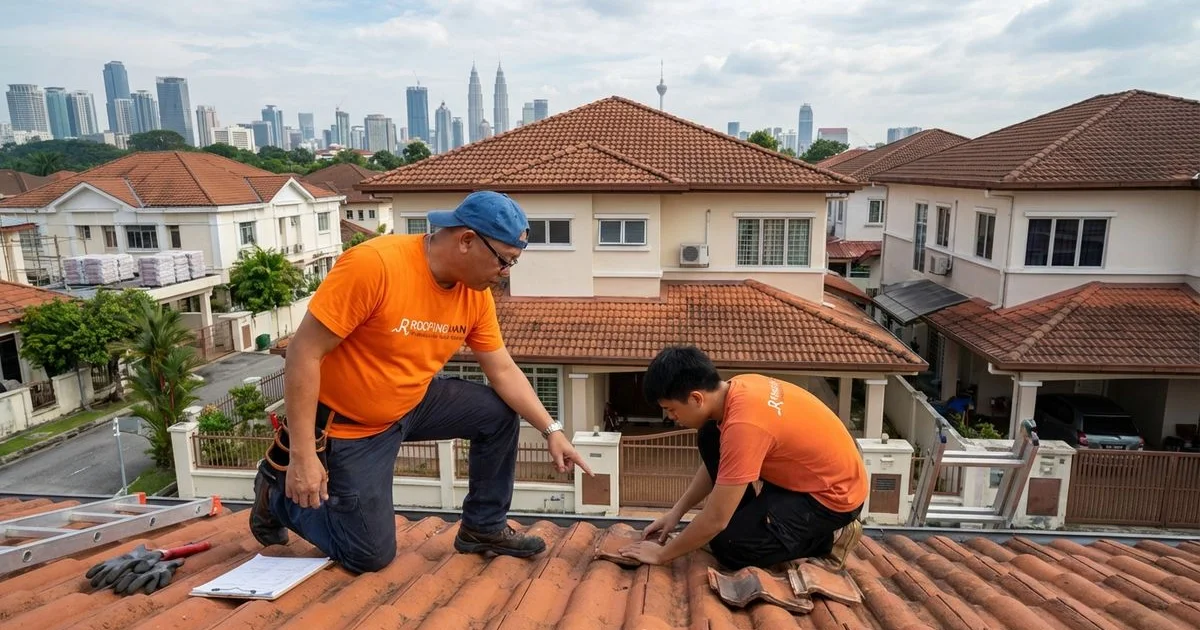
Why Monsoon Preparation Is Not Optional
Malaysia experiences two monsoon seasons each year. The northeast monsoon, from November to March, brings the heaviest and most sustained rainfall, particularly to the east coast states. The southwest monsoon, from May to September, delivers frequent afternoon thunderstorms across the peninsula. Between these two seasons, inter-monsoon periods bring their own intense but short-lived storms.
What this means for your roof is simple: it is under constant assault from heavy rain, strong winds, and intense UV radiation for the entire year, with the most punishing conditions arriving during the monsoon months. A roof that has minor unaddressed issues going into monsoon season will almost certainly develop major problems before the season ends.
The good news is that most monsoon-related roof damage is preventable. A systematic pre-monsoon inspection and maintenance routine can save you thousands of ringgit in emergency repairs and water damage restoration. Here is a comprehensive checklist to prepare your roof before the rains begin.
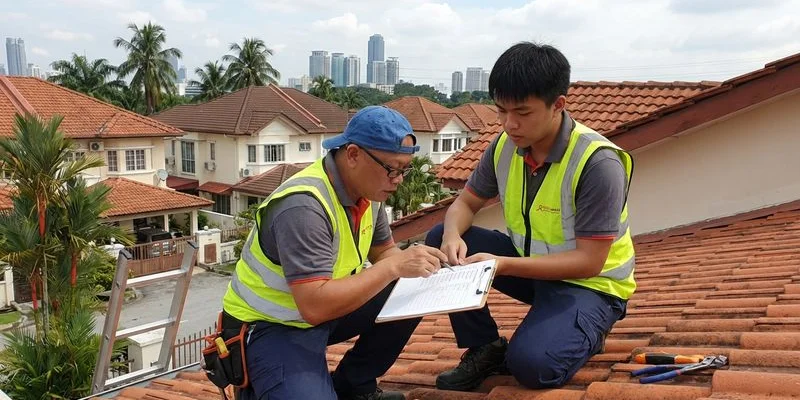
Pre-Monsoon Roof Preparation Checklist
1. Inspect Roof Tiles and Shingles
Walk around your property and visually inspect the roof from ground level using binoculars if necessary. Look for cracked, chipped, or displaced tiles. Even a single broken tile can allow water to penetrate your roof structure during heavy rain.
What to look for:
- Cracked or broken tiles — these need immediate replacement
- Tiles that have shifted out of alignment — they may have been lifted by wind
- Missing tiles — even if it is just one, rain will find its way in
- Faded or deteriorating tiles — while not urgent, these may not survive another monsoon
- Ridge cap mortar — check if the cement along the ridge line is cracking or crumbling
Action: Replace any broken or missing tiles before the monsoon arrives. If ridge cap mortar is failing, have it repointed. For concrete tile roofs, consider having a professional inspect from the roof surface if you cannot see clearly from the ground.
2. Check Roof Flashing
Flashing refers to the thin metal strips installed where your roof meets walls, chimneys, vents, pipes, or other roof sections. These junctions are among the most common sources of leaks because they rely on proper sealing to keep water out.
What to look for:
- Lifted or bent flashing
- Cracked or missing sealant around flashing edges
- Rust on metal flashing (particularly GI flashing)
- Gaps between flashing and the wall or roof surface
Action: Reseal any gaps with appropriate roofing sealant. Replace rusted or damaged flashing sections. This is one of the most cost-effective repairs you can make — a few hundred ringgit in flashing repair can prevent thousands in interior water damage.
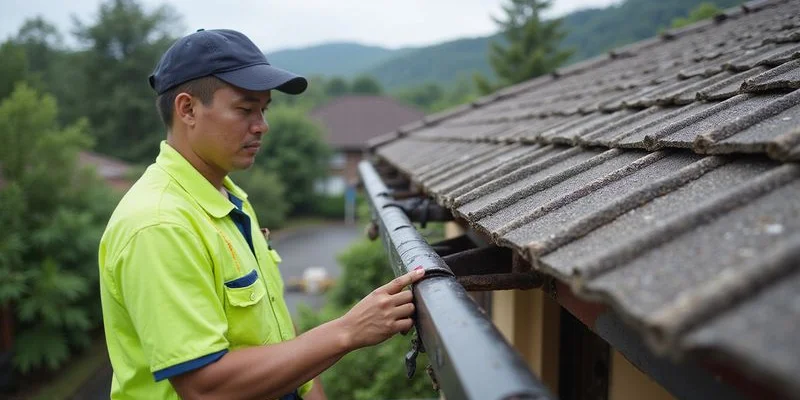
3. Clean All Gutters and Downpipes
This is perhaps the single most important pre-monsoon maintenance task. Clogged gutters during a monsoon downpour do not just overflow — they can cause water to back up under your roof tiles, saturate your fascia boards, and send cascades of water down your exterior walls.
What to do:
- Remove all leaves, twigs, and debris from gutter channels
- Flush gutters with a hose to check flow
- Check that all downpipes are clear — a blocked downpipe renders the entire gutter section useless
- Verify downpipe outlets direct water away from the foundation
- Check gutter brackets and rehang any sagging sections
Action: Clean gutters thoroughly at least one month before the expected start of monsoon season. Schedule a follow-up cleaning mid-monsoon if your property has significant tree coverage.
4. Trim Overhanging Branches
Trees that overhang your roof are a triple threat during monsoon season. Their branches can break off in strong winds and damage tiles. Their leaves continuously clog your gutters. And their proximity to your roof creates a damp microenvironment that encourages moss and algae growth.
What to do:
- Trim any branches that hang directly over or within 2 metres of your roof
- Remove dead branches that could break off in a storm
- Clear any palm fronds that have accumulated on the roof surface
- Cut back climbing plants that may be growing onto the roof
Action: Hire a professional arborist for large trees. For smaller branches, use a pole pruner or loppers from ground level. Never climb a tree to trim branches yourself.
5. Inspect Valley Gutters
Valley gutters are the V-shaped channels where two sloping roof sections meet. They carry a concentrated flow of water from both roof surfaces, making them critical to your roof’s drainage performance.
What to look for:
- Debris accumulation in the valley channel
- Cracked or deteriorated valley lining
- Loose or displaced valley tiles
- Signs of past overflow (staining on the underside of the valley)
Action: Clear all debris from valley gutters. Check the valley lining for cracks or holes. If your valley gutters are lined with zinc or GI sheet metal, check for rust. Valley gutter failures during monsoon season are a common cause of serious interior flooding.
6. Inspect Flat Roof Sections
Many Malaysian homes have at least one flat roof section — over an extension, car porch, or utility area. Flat roofs are more vulnerable to leaks than pitched roofs because water does not drain off them as quickly, and any imperfection in the waterproofing membrane becomes a potential leak point.
What to look for:
- Ponding water after rain — even in small amounts, this indicates inadequate drainage
- Cracks in the waterproofing membrane or coating
- Blistering or bubbling in the waterproofing layer
- Blocked outlets or scuppers (drainage holes)
- Vegetation growing in cracks or along edges
Action: Clear all debris and vegetation. Ensure all drainage outlets are unblocked. If you see cracks, blisters, or evidence of ponding, schedule a professional waterproofing inspection. Flat roof waterproofing repairs are far cheaper to do before the monsoon than as an emergency during one.
Timeline for Preparation
Timing matters. Here is a recommended timeline for monsoon preparation in Peninsular Malaysia.
For the northeast monsoon (November to March):
- September: Begin visual inspections. Schedule professional roof inspection if needed.
- October: Complete all repairs, gutter cleaning, and branch trimming. This is your last dry window before the heaviest rains.
- Early November: Final check. Ensure all repairs are complete and gutters are clear.
For the southwest monsoon (May to September):
- March/April: Inspect and address any damage from the northeast monsoon. Clean gutters that accumulated debris over the wet months.
- Late April: Complete repairs before afternoon thunderstorms become regular.
What to Do During Monsoon Season
Once the monsoon begins, your focus shifts from prevention to monitoring.
After every major storm:
- Walk around the perimeter of your house and look up at the roofline. Can you see any displaced or missing tiles?
- Check gutters from ground level. Are they overflowing?
- Look inside your home for new water stains on ceilings or walls.
- Check around your foundation for unusual water pooling.
Weekly during monsoon:
- Inspect your attic or ceiling cavity for dampness, dripping, or new stains.
- Check that downpipes are still draining freely.
- Monitor any areas where you have previously experienced leaks.
If you find a problem during monsoon:
- Place a container under any active drip to prevent floor damage.
- Contact a roofing professional immediately. Do not attempt to climb onto a wet roof yourself — the risk of a fall is too high.
- Document the damage with photographs for insurance purposes.
- Move furniture and electronics away from the affected area.
Emergency Contacts
Before monsoon season begins, make sure you have these contacts saved in your phone.
- Your regular roofing contractor’s emergency number
- A 24-hour plumber (for emergency water extraction)
- Your home insurance company’s claims hotline
- Your local council’s emergency line (for fallen trees or blocked public drains affecting your property)
Having these numbers ready means you can act quickly when every hour of delay means more water damage.
Prevention Is Always Cheaper Than Repair
The cost of a pre-monsoon roof inspection and maintenance — typically RM300 to RM800 for a thorough professional service — is a fraction of what you would pay for emergency leak repairs, ceiling replacement, or mould remediation. Malaysian homeowners who invest in routine seasonal maintenance consistently report fewer emergency repairs, lower overall maintenance costs, and less stress during the wettest months of the year.
Start your monsoon preparation early, follow the checklist systematically, and address every issue you find — no matter how small. Your roof protects everything underneath it, and a little preparation goes a long way toward keeping your home dry, safe, and comfortable through the heaviest rains Malaysia can deliver.
Tags
Need Professional Help?
If you're dealing with this issue, our team can help. Get an honest quote today.