
How Long Does a Roof Last in Malaysia's Climate?
Roof lifespan varies by material — from 15 years for zinc to 50+ for clay tiles. Learn how Malaysia's weather affects roof durability.
How Malaysia’s Climate Affects Your Roof
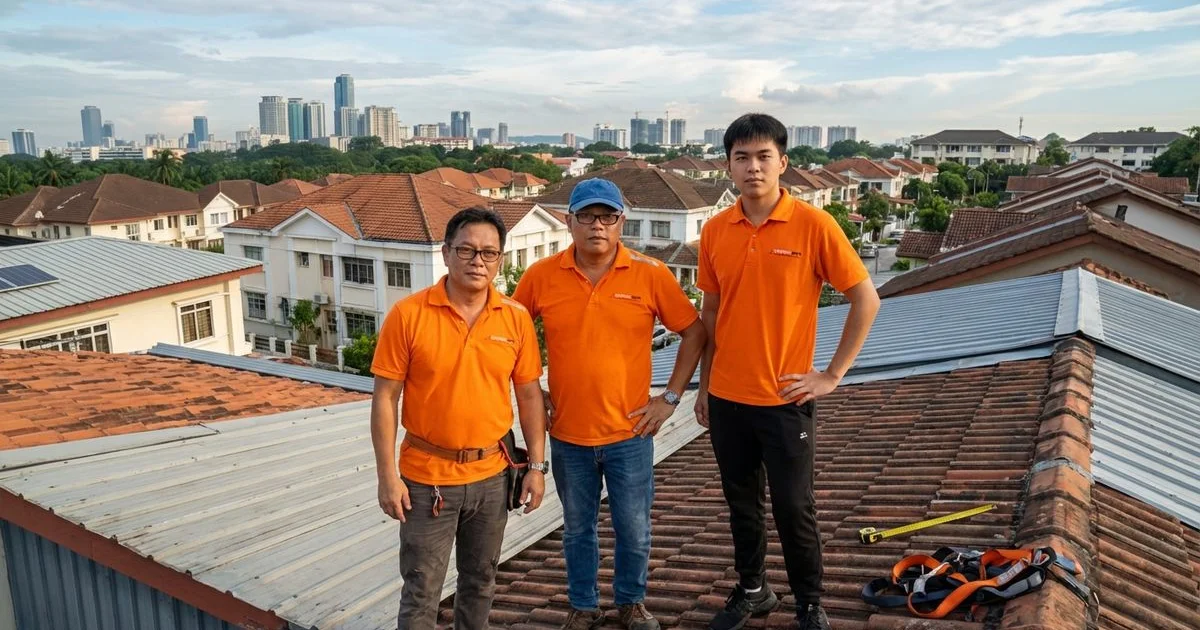
Malaysia’s tropical climate is among the most demanding environments for roofing materials anywhere in the world. Your roof endures a combination of factors that accelerate wear and degradation far faster than roofs in temperate countries:
- Intense UV radiation: Malaysia sits near the equator, receiving some of the strongest year-round solar radiation on the planet. UV light breaks down organic compounds in roofing materials, causing colour fading, surface degradation, and brittleness over time.
- Heavy monsoon rainfall: Average annual rainfall in Malaysia ranges from 2,000mm to 4,000mm depending on the region, with east coast states receiving the heaviest downpours. This constant water exposure tests every joint, seal, and overlap in your roof system.
- High humidity: Relative humidity in Malaysia typically sits between 70% and 90%, creating ideal conditions for moss, algae, and fungal growth on roof surfaces. This biological growth traps moisture and accelerates material deterioration.
- Thermal cycling: Daily temperature swings from the low 20s at night to the mid-30s during the day cause constant expansion and contraction in roofing materials, which over years leads to fatigue cracking and loosening of fixings.
Understanding how these factors affect different roofing materials helps you set realistic expectations for your roof’s lifespan and plan your maintenance accordingly.
Expected Lifespan by Material in Malaysia
Zinc Sheets: 10 to 15 Years
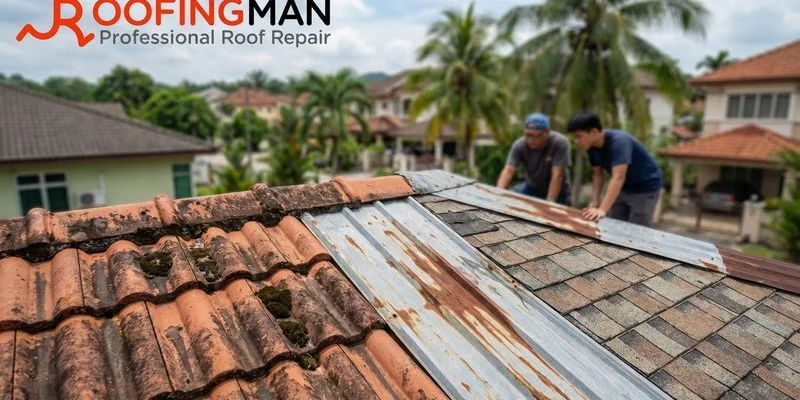
Traditional zinc (galvanised iron) roofing has the shortest lifespan of any common roofing material in Malaysia. The combination of coastal humidity, acidic rain, and constant moisture exposure causes zinc to corrode relatively quickly. After 10 to 15 years, zinc sheets typically show widespread rust, pinholes, and weakened seams.
Signs of end-of-life for zinc roofing:
- Widespread surface rust that cannot be removed by wire brushing
- Pinholes that allow water through (visible as light spots from the attic)
- Sheets becoming thin and flexible, losing structural rigidity
- Fastener holes enlarging as the metal thins around screws
Zinc is still used for temporary structures, sheds, and budget construction, but it is no longer recommended for permanent residential roofing in Malaysia due to its short lifespan and poor heat insulation.
Concrete Tiles: 20 to 30 Years
Concrete tiles are the most common roofing material on Malaysian homes, particularly terrace houses built from the 1980s onwards. Their lifespan depends heavily on the quality of the tiles and how well the roof is maintained.
Years 1-10: Concrete tiles perform well during this period. The factory-applied coating provides good water resistance and colour retention. Minimal maintenance is needed beyond periodic gutter cleaning.
Years 10-20: The surface coating begins to wear and fade noticeably. Tiles may start absorbing more water, becoming heavier when wet. Moss and algae growth increases on shaded surfaces. Individual tiles may crack from thermal cycling or impact damage. This is when proactive maintenance matters most.
Years 20-30: Tiles become increasingly porous and brittle. Cracking becomes more widespread, and replacement tiles for older profiles may be difficult to source. The underlayment membrane beneath the tiles has likely degraded completely by this point. Most concrete tile roofs reach the point where replacement is more practical than continued repair during this period.
Metal Roofing (Zincalume/Colorbond): 25 to 40 Years
Modern metal roofing systems have significantly better longevity than traditional zinc. Zincalume (aluminium-zinc alloy coating on steel) and Colorbond (pre-painted zincalume) are engineered for durability in harsh climates.
Zincalume (unpainted): 25-35 years. The aluminium-zinc alloy coating provides excellent corrosion resistance. However, the unpainted surface can develop a chalky white appearance over time and may corrode faster in coastal environments within 5km of the sea.
Colorbond (pre-painted): 30-40 years. The factory-applied paint system adds an extra layer of UV protection and corrosion resistance. Premium Colorbond products come with 25-year warranties on colour fastness and corrosion resistance.
Signs of ageing in metal roofing:
- Colour fading (Colorbond) — primarily cosmetic but indicates UV degradation of the paint system
- Edge corrosion where cut edges expose bare steel
- Loose or corroded screw fixings that may allow water ingress
- Denting from fallen branches or debris
Clay Tiles: 30 to 50+ Years
Clay tiles have the longest expected lifespan of any common roofing material in Malaysia. The fired clay body is naturally resistant to UV degradation, water absorption (when properly manufactured), and biological growth.
Many heritage buildings in Penang, Malacca, and Kuala Lumpur retain their original clay tile roofs from 80 to over 100 years ago. While individual tiles may have been replaced over the decades, the overall roof system continues to function.
Why clay tiles last so long:
- Fired at extremely high temperatures (1,000°C+), making them chemically stable
- Very low water absorption rate (under 6% for quality tiles)
- Natural resistance to UV degradation — clay does not break down under sunlight
- Surface develops a protective patina over time rather than deteriorating
The caveat: While individual clay tiles can last 50+ years, the timber structure beneath them, the underlayment, and the mortar at ridges and hips will need attention well before the tiles themselves fail. A clay tile roof at 40 years may need its timber inspected, ridge mortar repointed, and a few cracked tiles replaced, but the vast majority of tiles will still be in serviceable condition.
Factors That Shorten Roof Lifespan
Poor Installation
Even the best roofing material will fail prematurely if installed incorrectly. Common installation errors that shorten roof life include:
- Insufficient tile overlap, allowing wind-driven rain to penetrate
- Incorrect screw torque on metal roofing (too tight causes dimpling that traps water; too loose allows movement)
- Missing or improperly installed flashing at valleys, walls, and penetrations
- Inadequate ventilation in the roof space, causing heat and moisture buildup
Lack of Maintenance
A roof that is never inspected or maintained will always reach the lower end of its expected lifespan. Blocked gutters cause water to back up under tiles. Cracked tiles that are not replaced allow water to reach the timber structure. Moss growth that is never cleaned traps moisture against the tile surface.
Coastal Location
Properties within 5km of the coast are exposed to salt-laden air, which accelerates corrosion of metal components dramatically. Metal roofing, flashing, screws, and gutters all corrode faster in coastal environments. If you live near the coast, choose materials with the highest corrosion resistance rating and inspect metal components more frequently.
Overhanging Trees
Trees that overhang the roof create several problems: branches can scratch and damage roof surfaces, falling branches cause direct impact damage, leaves block gutters and trap moisture on the roof, and shade promotes moss and algae growth. Keeping trees trimmed back from the roof edge by at least 2 metres significantly extends roof life.
Maintenance Tips to Maximise Your Roof’s Lifespan
Annual Inspection Checklist
Schedule a roof inspection at least once a year, ideally before the monsoon season begins in October. Here is what to check:
- From the ground: Look for visible tile damage, shifted tiles, sagging ridgelines, rust on metal components, and blocked or overflowing gutters
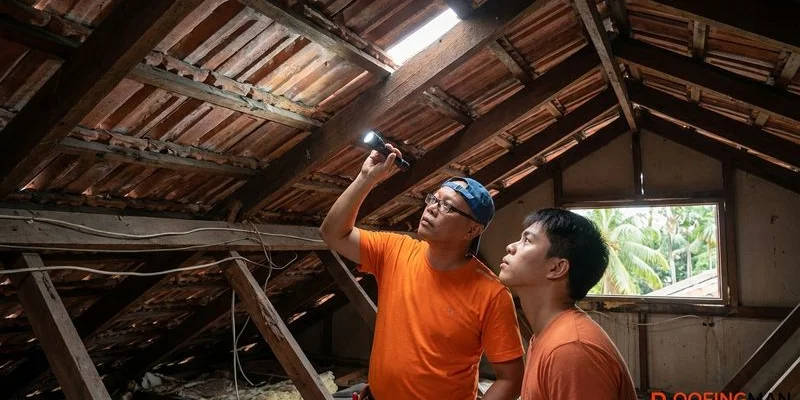
- From the attic: Check for daylight penetration, water stains on timber, signs of termite activity (mud trails), and proper ventilation airflow
- Gutters and downpipes: Clear all debris, check for rust or damage, ensure water flows freely to the drain
- Flashing: Inspect all metal flashing at walls, valleys, and around pipes for rust, lifting, or separation
Proactive Maintenance Tasks
- Clean gutters: At minimum every 6 months, or quarterly if you have overhanging trees. Blocked gutters are the number one preventable cause of roof-related water damage.
- Remove moss and algae: Treat affected areas with a diluted bleach solution or commercial moss killer. Do not pressure wash tiles — the force can damage the surface coating and force water under overlaps.
- Replace cracked tiles promptly: A single cracked tile allows water to reach the underlayment and timber. Replacing one tile costs RM20-RM50; repairing water-damaged timber costs RM2,000+.
- Re-point ridge mortar: The cement mortar that secures ridge and hip tiles deteriorates over 10-15 years. Crumbling mortar allows water entry and can allow ridge tiles to shift or fall during storms.
- Check and tighten metal roof screws: Screw fixings on metal roofing can loosen over time due to thermal cycling. A loose screw allows water ingress and wind uplift. Check fixings every 3-5 years.
When to Schedule Professional Inspections
While annual self-inspections are valuable, schedule a professional roof inspection:
- Every 5 years as general preventive maintenance
- After any severe storm or period of unusually heavy rainfall
- When your roof reaches 60% of its expected material lifespan
- Before and after any major renovation that affects the roof structure
- When you notice any new water stains, damp patches, or musty smells indoors
Lifespan Summary Table
| Material | Expected Lifespan | Maintenance Level | Best Value Period |
|---|---|---|---|
| Zinc sheets | 10 - 15 years | High | Years 1-8 |
| Concrete tiles | 20 - 30 years | Moderate | Years 1-18 |
| Metal (zincalume) | 25 - 35 years | Low | Years 1-25 |
| Metal (colorbond) | 30 - 40 years | Low | Years 1-30 |
| Clay tiles | 30 - 50+ years | Low | Years 1-40 |
The Bottom Line
Your roof’s actual lifespan is determined by three things: the material quality, the installation quality, and your maintenance commitment. In Malaysia’s demanding climate, no roof material is maintenance-free forever, but regular attention can add 5-15 years to any roof’s useful life. The most cost-effective approach is to choose a quality material suited to your budget, hire an experienced installer, and commit to annual inspections with prompt repairs when issues are found. Your roof protects everything in your home — giving it proper attention is one of the wisest investments you can make as a homeowner.
Tags
Need Professional Help?
If you're dealing with this issue, our team can help. Get an honest quote today.